Why Our Chicken Bone Broth Deserves a Spot in Your Kitchen

written by

Jared Frye

posted on

June 17, 2025

If you’ve never tasted real bone broth — I mean the real deal, not the watery stuff in a carton — you’re in for something special.

Here on the farm, we make our chicken bone broth from scratch using pasture-raised chicken backs and feet, simmered low and slow to extract every bit of flavor and nutrition.

The result is a rich, golden broth that gels when it’s cold (a sign of the natural collagen) and delivers a depth of flavor and nourishment you just can’t get from the store.

Let’s break down why it’s worth keeping around all year long.

1. It Starts With How the Chickens Are Raised

Our chickens are raised the right way: on pasture, with daily moves to fresh grass, and a diet that’s non-GMO and free from anything synthetic or sketchy.

This matters. The bones, joints, and connective tissue from pasture-raised animals produce broth with more nutrients, better flavor, and a cleaner fat profile than animals raised in confinement.

What does the research say?

A 2018 study published in Food Chemistry showed that the nutritional quality of bone broth is directly tied to the health and diet of the animals it comes from. Chickens raised outdoors on diverse forage have higher levels of Omega-3s, antioxidants, and fat-soluble vitamins like A and E.

We don’t cut corners, and the quality of our broth shows it. This isn’t just a flavorful base — it’s food as medicine.

2. The Health Benefits Are No Joke

Our bone broth is loaded with:

   - Collagen and gelatin – great for joint health, skin elasticity, and hair growth

   - Glycine and proline – amino acids that support gut lining repair and liver detox

   - Minerals like calcium, magnesium, and phosphorus – all in an easily absorbable form

   - Immune support – especially helpful during cold season or recovery


Why do people love it?

Many of our customers use it during recovery from illness, intermittent fasting, or even as a protein-rich base to start the day. There’s growing evidence that regular consumption of high-collagen bone broth can reduce joint pain and improve mobility, particularly in aging adults.

We’ve had customers tell us it helped with everything from digestion to clearer skin and improving their hair — and they feel the difference within days of using it regularly.

3. It’s the Secret Weapon in Your Kitchen

Don’t think of bone broth as just a soup starter — it’s way more versatile than that.
broth2.jpg


You can:

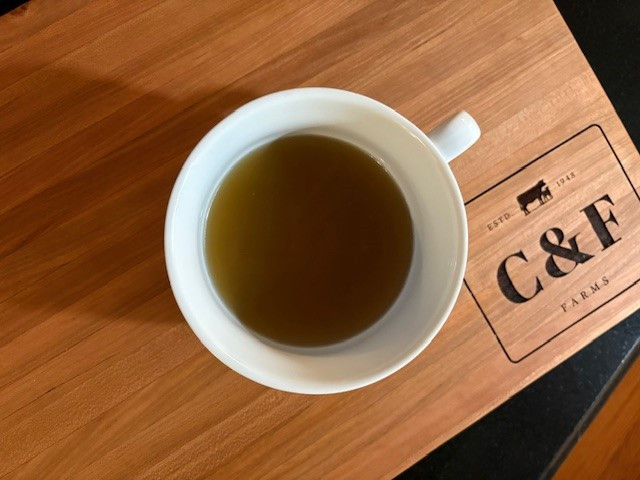
✔️ Sip it warm with a pinch of salt for a morning or bedtime boost

✔️ Use it to cook rice or quinoa for added flavor and nutrition

✔️ Deglaze a skillet or pan with it after searing meat

✔️ Make gravy or sauces richer

✔️ Add it to mashed potatoes or stuffing instead of water or milk

✔️ Freeze it in ice cube trays to drop into stir-fries or braises later

4. That Gel in the Fridge? That’s the Good Stuff

When real bone broth cools, it turns into a jelly-like consistency — that’s the gelatin, and it means it’s full of collagen. This is what makes your joints happy and your soup silky.

Store-bought broth is usually watered down and pressure-processed to stay liquid on the shelf. We skip all that and let nature do its thing.

If it doesn’t jiggle, it’s just soup water with a marketing label slapped on.

5. No Shortcuts, Ever

Our broth takes at least 24 hours to make, and we only use filtered water, organic herbs, apple cider vinegar, and real bones from healthy animals. No preservatives, no “natural flavors,” no synthetic anything.

The vinegar helps extract minerals from the bones, the herbs round out the flavor, and time does the rest.


Here’s what you’ll find in ours:

   - Pastured chicken bones (backs, necks, feet)

   - Filtered water

   - Apple cider vinegar

   - Onion, celery, garlic, and parsley


That’s it. And that’s how it should be. Keep It Simple, Nourish Deep


We believe that food should nourish your body and connect you to where it came from. Our chicken bone broth does both — and it tastes darn good doing it.

If you haven’t tried it yet, grab a pack next time you’re restocking your freezer. Warm up a mug and give it a sip. You might be surprised just how good simple food can be when it’s made right.


Get some Bone Broth to try today! 

More from the blog

The Secret to Perfect Pork

How to Cook Pork Without Drying It Out (Simple, Foolproof Guide) If you’ve ever said, “I don’t cook pork because it always turns out dry…” You’re not alone. It’s probably the most common thing we hear. And the truth is—you’re not doing anything crazy wrong. You’ve just been taught the wrong way to cook pork. The Real Reason Pork Turns Out Dry For years, pork was cooked to very high internal temperatures. Why? Because older production systems carried a higher risk of foodborne illness, so the advice was simple: Cook it until it’s well done. The problem is—that advice stuck around long after the industry changed. And what it created was a generation of overcooked, dry, flavorless pork. The First Rule: Stop Overcooking It Here’s the key: 👉 Pork is perfectly safe at 145°F (with a short rest) That means: Slight blush of pink? Totally fine Juices still in the meat? That’s what you want When you cook pork to 160°F+ like many people still do, you’re squeezing all the moisture right out of it. Use a Meat Thermometer (Seriously) If there’s one tool that will instantly improve your cooking, it’s this. No guessing. No cutting into the meat. No “I think it’s done.” Cook to temperature, not time. Pork chops / loin: Pull at 140–145°F, rest to finish Tenderloin: Same range Ground pork: 160°F (this one’s different) This alone will fix most dry pork problems. Don’t Skip the Rest This is where a lot of people lose it at the finish line. When pork comes off the heat, the juices are still moving. If you cut into it right away, all that moisture runs out onto the plate. Let it rest: 5 minutes for chops 10–15 minutes for larger cuts That’s how you keep it juicy. Choose the Right Cooking Method Not all cuts should be cooked the same way. Quick Cook (Hot & Fast) Best for: Pork chops Tenderloin Method: High heat Short cook time Don’t overdo it Low & Slow Best for: Shoulder (Boston butt) Picnic roast Method: Low temperature Long cook time Breaks down connective tissue → tender, pull-apart meat Fat Is Your Friend One of the biggest mistakes people make is trimming too much fat or avoiding it altogether. That fat: Adds flavor Helps retain moisture Protects the meat during cooking Especially with pasture-raised pork, that fat is where a lot of the flavor lives. Simple Cooking Method That Works Every Time (Pork Chops) If you want a go-to method, here it is: Pat chops dry and season generously with salt and pepper Heat a cast iron skillet until hot Sear 2–3 minutes per side Add butter, garlic, and herbs Baste for another minute or two Pull at 140–145°F Rest 5 minutes That’s it. Juicy, flavorful pork—every time. One More Thing: Quality Matters If you’ve only ever had grocery store pork, you might already be at a disadvantage. Pasture-raised pork: Has better fat distribution Holds moisture better Has more flavor to begin with Which means when you cook it properly… it really shines. The Bottom Line Dry pork isn’t a pork problem. It’s a cooking problem—and an easy one to fix. Cook to the right temperature. Let it rest. Use the right method for the cut. Do that, and pork goes from “risky dinner choice” to something you actually look forward to cooking. Ready to Try It the Right Way? If it’s been a while since pork made it into your weekly rotation, now’s a good time to give it another shot. You might be surprised how good it actually is.

The Truth About Pork: Why Pasture-Raised Changes Everything

The Truth About Pork: Why Pasture-Raised Changes Everything If we’re being honest… pork doesn’t always get a fair shake. Beef and chicken tend to be the “safe bets.” They’ve built a reputation around strength, health, and clean eating. Meanwhile, pork often gets lumped in with overly processed products and questionable sourcing—and over time, that’s given it a reputation it doesn’t really deserve. Because the truth is, real pork—raised the right way—is one of the most nutrient-dense, flavorful, and versatile meats you can put on your table. The difference comes down to one thing: How it’s raised. Not All Pork Is Created Equal Most of the pork people are familiar with comes from confinement operations. Pigs raised indoors, on concrete, with limited movement and a uniform diet designed for efficiency—not nutrition. That system produces pork that’s: Lower in nutrient density Higher in omega-6 fats Lighter in color and milder in flavor And over time, that’s shaped how people think about pork. But that’s not how pork was meant to be raised. How We Raise Pork (And Why It Matters) On our farm, pigs live outside—on pasture and in woodlots—where they can do what pigs are meant to do. They root. They forage. They move. Their diet includes: Grasses and roots Acorns and natural forage Bugs and insects A balanced, non-GMO grain ration That lifestyle changes everything about the meat. Not just in how it tastes—but in how it nourishes your body. The Nutritional Difference Pasture-raised pork isn’t just different in philosophy—it’s different on a nutritional level. You’ll find: Higher omega-3 fatty acids (the same beneficial fats found in fish) More vitamin D from natural sunlight exposure A better omega-6 to omega-3 balance, supporting heart and brain health Higher levels of key nutrients like B vitamins, zinc, and selenium And when it comes to lean cuts like pork loin or tenderloin, you’re getting protein levels comparable to chicken—just with more flavor and satisfaction. Let’s Clear Up the “Pork Isn’t Healthy” Myth Pork didn’t earn its reputation overnight. It came from years of eating pork that was: Raised in confinement Fed a limited, grain-heavy diet Processed and preserved in ways that stripped away quality But when you step back and look at pork raised on pasture, it’s a completely different food. Clean protein. Balanced fats. Rich in nutrients your body actually needs. The problem was never pork. It was how pork was being raised. A Return to the Way It Used to Be Not that long ago, pork was a staple in nearly every household. Families relied on it for: Flavor Versatility Long-term nourishment Lard was a trusted cooking fat. Bones were used for broth. Nothing went to waste. That wasn’t a trend—it was common sense. And now, more people are starting to come back to that way of eating. Why Pork Deserves a Place on Your Table If you’re looking for a protein that works for everyday meals, pork is hard to beat. It’s: Versatile (chops, roasts, sausage, ground) Flavorful without needing much added Nutrient-dense and satisfying Often a more practical option for feeding a family A few simple ideas: Cast iron pork chops with butter and herbs Slow-cooked pulled pork Breakfast sausage made from real ingredients Cooking with lard instead of highly processed seed oils It’s the kind of food that fits real life. Taking It a Step Further: Nose-to-Tail Eating On our farm, we believe in using the whole animal. Not just because it’s efficient—but because it’s the right thing to do. That includes: Bones for broth Organs like liver and heart Fat rendered into lard These parts are some of the most nutrient-dense foods available: Liver – rich in vitamin A, B12, and iron Heart – contains CoQ10 for energy and heart health Bones & marrow – packed with collagen and minerals This is how people used to eat—not out of necessity alone, but because it made sense. The Bottom Line Pork shouldn’t be the “forgotten meat.” When raised the right way, it’s: Clean Nutritious Flavorful And deeply connected to the land it comes from Our pigs play a role in improving our soil, rotating through pasture, and helping us leave things better than we found them. And the result is pork you can feel good about feeding your family. Ready to Try It for Yourself? If it’s been a while since pork made it into your weekly rotation… this might be the time to bring it back. You might just find it earns a permanent place at your table.